 Easy Shipping From Global, Save Cost
Shipping from China to St. Louis, MO: Complete Guide to Ocean FCL, LCL, Airfreight & Customs Clearance
Article Body
Planning shipping from China to St. Louis, Missouri means dealing with an inland destination that requires more than just ocean freight. As one of America's great inland logistics hubs, St. Louis sits at the crossroads of the Mississippi River and major interstate highways, making it a critical distribution point for goods arriving from Asia via U.S. coastal ports. Understanding how to move cargo efficiently from Chinese factories to St. Louis — whether via ocean FCL, ocean LCL, or airfreight — is essential for importers looking to control costs and meet delivery deadlines. This guide from WanHao Freight forwarder covers every shipping method, transit route, and customs requirement you need to know.
Understanding the Route: China to St. Louis, MO
St. Louis is a landlocked city, which means shipping from China to St. Louis is a two-stage process: an international ocean or air leg followed by inland transportation. Unlike coastal cities, St. Louis does not have a seaport, so your cargo must first arrive at a U.S. gateway port before being moved inland.
The typical routing for ocean FCL or ocean LCL shipments follows this path:
Some shipments may route through Gulf Coast or East Coast international seaports — such as Houston, New Orleans, or Savannah — depending on carrier availability, port congestion, and cost. An experienced China freight forwarder like WanHao evaluates all routing options and selects the most efficient and economical path for your specific cargo.
Ocean FCL (Full Container Load) Shipping
Ocean FCL is the optimal choice for importers shipping enough cargo to fill a 20ft or 40ft container. When you book a full container, your goods travel under your exclusive seal from the Chinese port of origin all the way to the inland rail yard or warehouse near St. Louis — without ever being mixed with other shippers' cargo.
Why businesses choose ocean FCL:
WanHao Freight forwarder maintains strong relationships with ocean carriers including MSC, Maersk, CMA CGM, COSCO, Evergreen, and others to secure reliable sea freight capacity and competitive rates for ocean FCL shipments from China to St. Louis-connected inland rail hubs.
Ocean transit from China to U.S. West Coast ports typically takes 14-20 days. Combined with inland rail movement to the St. Louis terminal, total door-to-door transit time for ocean FCL generally ranges from 25 to 35 days. We recommend booking 2-3 weeks ahead of your desired departure date to secure container availability and lock in favorable rates.
Ocean LCL (Less than Container Load) Shipping
Not every shipment requires a full container. Ocean LCL allows you to ship smaller volumes by consolidating your cargo with other shippers' goods in a shared ocean container. You pay only for the volume your cargo occupies — measured in cubic meters (CBM) — rather than renting an entire container.
Choose ocean LCL when:
WanHao operates ocean LCL consolidation services from all major Chinese ports. Our consolidation centers in Shanghai, Shenzhen, and Ningbo offer weekly departures with competitive freight forwarder rates. Once the container arrives at the U.S. West Coast, cargo is deconsolidated at our inland facility and then moved by rail or truck to St. Louis.
One of the biggest advantages of working with WanHao is our commitment to transparent pricing. You receive an accurate CBM calculation and a clear cost breakdown before your cargo ships — paying exactly what you expect, with no hidden fees or surprise surcharges. Get A Quote today to compare your ocean LCL options.
Airfreight: Speed When It Matters Most
There are times when the cost of waiting outweighs the cost of flying. Airfreight is the right choice when your cargo is time-sensitive, high-value, perishable, or critical to a production schedule or sales launch that cannot tolerate weeks of ocean transit.
Benefits of airfreight include:
WanHao works with international airlines and air cargo operators to provide competitive airfreight rates for shipments from China to St. Louis and the greater Midwest region. We handle everything from airport pickup in China to door-to-door delivery at your St. Louis facility, including customs documentation and clearance coordination.
While airfreight carries a higher price tag than ocean shipping, the premium is well worth it when your cargo has genuine time value — whether you are meeting a product launch, replenishing fast-moving retail inventory, or fulfilling an urgent customer order that cannot wait.
U.S. Entry Ports & Inland Routing to St. Louis
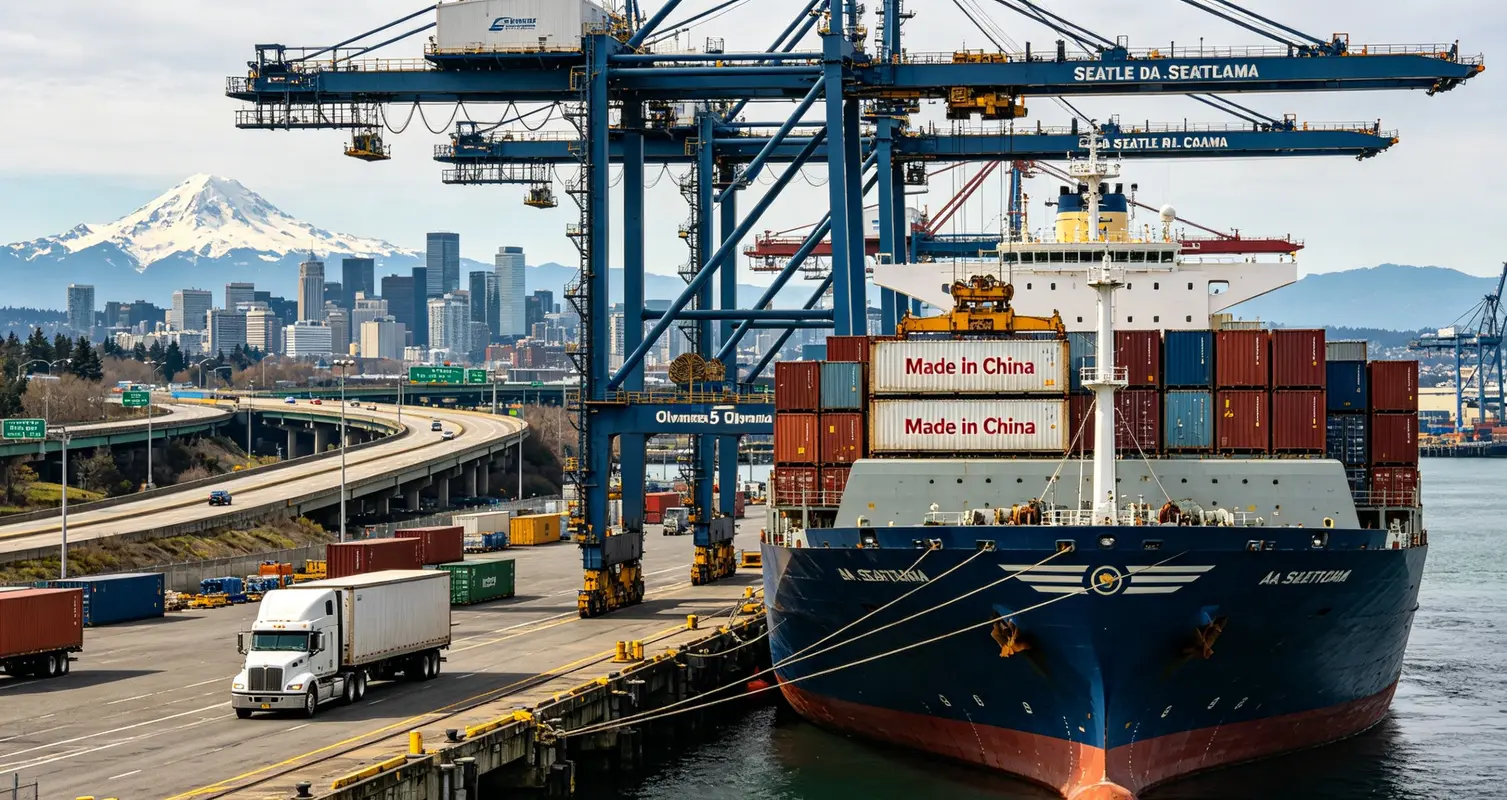
Since St. Louis is not a coastal city, all ocean freight destined for St. Louis must first arrive at a U.S. gateway port. The most commonly used entry points for China-U.S. cargo heading to the St. Louis region include:
From these international seaports, cargo moves inland primarily via:
St. Louis benefits from its position on major Class I rail networks — BNSF, Union Pacific, CSX, and Norfolk Southern all serve the region — making it one of the most well-connected inland logistics hubs in the United States. This strong rail infrastructure ensures that sea freight cargo moving to St. Louis via intermodal is both fast and economical.
Customs Clearance in St. Louis, Missouri
All cargo entering the United States — regardless of the entry port — must clear U.S. Customs and Border Protection (CBP) before it is released. This federal requirement applies to every shipping from China shipment, whether it enters through Los Angeles, Houston, or Savannah.
The CBP clearance process includes:
Missouri importers benefit from St. Louis' strong logistics infrastructure, which includes numerous customs brokers, freight warehouses, and distribution centers. This ecosystem makes it easy to receive, store, and distribute imported goods efficiently after customs clearance.
Why Choose WanHao as Your Freight Forwarder?
Selecting the right China freight forwarder is one of the most important decisions you will make in managing your supply chain. WanHao stands out as a trusted partner for shipping from China to St. Louis for several reasons:
How to Get Started
Getting your shipping from China to St. Louis organized is simple with WanHao. Get A Quote through our platform or contact our team directly. Provide details about your cargo — product type, volume, origin city in China, and target delivery timeline — and we will respond with competitive options for ocean FCL, ocean LCL, or airfreight shipping.
Whether you are shipping a full container of industrial machinery, a consolidated pallet of consumer goods, or urgent samples by air, WanHao has the network and expertise to deliver your cargo safely, on time, and within budget.
Final Thoughts
Shipping from China to St. Louis, MO requires more logistical planning than direct port-to-port moves, but the complexity disappears when you have the right partner. An experienced freight forwarder manages every step — ocean carriers, inland rail and trucking, customs clearance, and final delivery — so you can focus on what truly matters: running your business and serving your customers.
WanHao Freight forwarder combines competitive rates, Midwest supply chain expertise, and personalized service to make your China-to-St. Louis logistics simple and reliable. Let us handle the freight while you grow your business.
Ready to ship? Get A Quote now and let WanHao Freight forwarder handle the rest!