 Easy Shipping From Global, Save Cost
Comprehensive Guide to Shipping from China to Port San Luis: Rates, Schedules & Customs Compliance
Port San Luis, a vital international seaport on California’s Central Coast near Avila Beach, serves as the logistics lifeline for San Luis Obispo County’s fishing, agriculture, tourism, and marine industries. As a key deep-water port between Los Angeles and San Francisco, it specializes in handling fishing equipment, agricultural exports, recreational marine gear, and consumer goods—making it a strategic gateway for shipping from China to Central California’s coastal communities and inland farm regions. Whether importing commercial fishing nets for local fleets, irrigation systems for San Luis Obispo’s vineyards, marine engines for boatyards, or eco-friendly tourism supplies, businesses rely on efficient, cost-effective shipping solutions. Mastering Ocean FCL, Ocean LCL, Ocean Freight, Airfreight costs, reliable ship schedules, and U.S. West Coast-specific customs protocols is essential to avoid delays and optimize budgets. Partnering with a trusted China Freight forwarder like WanHaoFreight forwarder leverages regional expertise to navigate port operations, seasonal fishing peaks, and regulatory hurdles. This guide covers everything you need to streamline shipping from China to Port San Luis.
Ocean Freight from China to Port San Luis: FCL vs. LCL
Ocean Freight dominates shipping to Port San Luis, accounting for 80% of total cargo—driven by the port’s efficiency in handling containers, bulk agricultural goods, and marine equipment. As a key international seaport, it offers trans-Pacific routes from Chinese ports (via Los Angeles/Long Beach transshipment or direct feeder vessels), making Ocean Freight the most cost-effective choice for non-urgent shipments. Two primary modes cater to diverse cargo needs: Ocean FCL (Full Container Load) and Ocean LCL (Less than Container Load).
Ocean FCL: Bulk Solution for Marine & Agricultural Cargo
Ocean FCL involves booking an entire shipping container (10+ cubic meters/CBM) for exclusive use, ideal for Port San Luis’s core industries—commercial fishing companies importing nets and processing equipment, agricultural cooperatives receiving irrigation systems, and boat manufacturers sourcing marine engines. Key benefits include faster transit (no consolidation waits), lower damage risk (sealed containers protect corrosion-sensitive marine gear), and predictable pricing—including inland transport to nearby industrial zones in San Luis Obispo, Paso Robles, and Santa Maria.
Rates for Ocean FCL from China to Port San Luis depend on Chinese origin port, container size, and seasonal demand. The most common sizes are 20-foot (20GP) and 40-foot (40GP/40HQ):
20GP Container: From Shanghai Port (a top international seaport), rates to Port San Luis range $1,650–$2,450 (includes feeder vessel from Los Angeles). From Shenzhen Port, rates are $120–$280 cheaper, thanks to frequent West Coast sailings by carriers like Matson and COSCO.
Seasonal fluctuations impact pricing: Peak demand (May–August, ahead of fishing season and harvest) raises rates by 20–30%, while off-peak (January–March) brings 10–15% savings—though winter storms may add $50–$100 in surcharges. WanHaoFreight forwarder negotiates long-term contracts with carriers to lock in rates for fishing and agricultural clients, shielding them from market volatility. For marine equipment, their team also coordinates with port authorities to ensure specialized handling for corrosion-sensitive cargo.
40HQ Container (high cube, ideal for bulky marine engines or irrigation systems): Shanghai to Port San Luis costs $2,150–$3,150, while Shenzhen origins offer $150–$310 savings, with extra space for voluminous cargo.
Ocean LCL: Cost-Saver for Smaller Shipments
Ocean LCL is optimal for cargo under 10 CBM—such as small-batch fishing tackle for local shops, specialty pruning tools for vineyards, medical supplies for San Luis Obispo clinics, or eco-friendly tourism goods for Avila Beach resorts. By consolidating shipments with other shippers at Chinese international seaports or Port San Luis, LCL spreads fixed costs (port handling, documentation) across multiple parties, making global shipping accessible for small businesses.
Rates are calculated by chargeable weight (actual vs. volume weight, whichever is higher). From Guangzhou Port (a key China Freight forwarder hub), rates to Port San Luis are $75–$115 per CBM (includes transshipment). For example, shipping 6 CBM of precision fish finders (for Port San Luis’s fishing fleets) would cost $450–$690 (ocean freight) + $45–$85 (consolidation fees) + $30–$50 (documentation) + $70–$100 (port handling). Unlike generic freight forwarders, WanHaoFreight provides all-inclusive quotes—no hidden fees for last-mile delivery to boatyards or vineyards.
Transit time for Ocean LCL is 26–34 days (18–24 days ocean to Los Angeles + 2–4 days feeder to Port San Luis + 3–6 days consolidation), compared to 22–28 days for FCL. For non-urgent cargo—such as pre-season fishing gear or vineyard tools—LCL offers unbeatable value for small-scale shipping from China to Port San Luis.
Ocean Freight Schedules: China to Port San Luis
Ship schedules to Port San Luis combine direct trans-Pacific sailings to Los Angeles/Long Beach with feeder vessel service to the Central Coast—optimized to support the port’s fishing and agricultural supply chains. Port San Luis’s proximity to Los Angeles (180 miles north) ensures flexible connectivity, minimizing delays from main port congestion.
The primary schedule variable is Los Angeles/Long Beach congestion, which can add 1–3 days to transit. WanHaoFreight forwarder provides real-time tracking for both trans-Pacific and feeder vessels, plus alerts for Central Coast weather that may impact inland transport. To secure preferred sailings for fishing season gear, book 4–5 weeks in advance during peak season.
Shenzhen to Port San Luis: Weekly sailings to Los Angeles (20–24 days) + 2–3 days feeder = 22–27 total days. LCL consolidation is available for small-batch fishing and agricultural cargo.
Shanghai to Port San Luis: Weekly direct sailings to Los Angeles (18–22 days) + 2–3 days feeder service = 20–25 total days. Carriers like Hapag-Lloyd offer dedicated FCL lanes for marine equipment, with priority unloading.
Peak Season Adjustments: During May–August, carriers add 1–2 weekly feeder vessels to Port San Luis to meet fishing gear and harvest equipment demand.
Guangzhou to Port San Luis: Bi-weekly sailings to Los Angeles (19–23 days) + 2–3 days feeder = 21–26 total days, with cargo consolidating in Shenzhen first.
Airfreight from China to Port San Luis: Speed for Urgent Cargo
While Ocean Freight dominates bulk shipments, Airfreight is critical for Port San Luis’s urgent needs—such as emergency fishing equipment to avoid fleet downtime, life-saving medical supplies for coastal clinics, or time-sensitive marine engine parts for boatyards. The nearest major air cargo hubs are Los Angeles International Airport (LAX, 180 miles south) and San Luis Obispo County Regional Airport (SBP, 15 miles east), with ground transport to Port San Luis.
Airfreight rates from China to Port San Luis depend on weight, flight type, and airport routing:
Via LAX: Direct cargo flights from Shanghai Pudong or Guangzhou Baiyun to LAX cost $3.80–$6.20 per kilogram. Ground transport to Port San Luis adds $80–$120, with a 3-hour drive. Total transit time: 3–5 business days (12–14 hours flight + 1–2 days customs).
For example, shipping 80kg of emergency marine engine parts from Shanghai to Port San Luis would cost $304–$496 (via LAX) + $80–$120 (ground) = $384–$616. WanHaoFreight forwarder partners with airlines like China Southern and United to secure priority cargo space—critical for avoiding fishing fleet downtime. They also offer corrosion-resistant packaging for marine gear and door-to-door service from Chinese warehouses to Port San Luis’s boatyards.
Economy Routes: Non-direct flights via San Francisco (SFO) cost $3.10–$5.10 per kilogram but add 1–2 days—ideal for less time-sensitive cargo like specialty agricultural tools.
Via SBP (Small Cargo): Routes via LAX to SBP cost $4.00–$6.40 per kilogram, with ground transport adding $30–$50. Transit time: 4–6 business days, suitable for small urgent shipments like fish finders.
Customs Clearance for Port San Luis-Bound Cargo
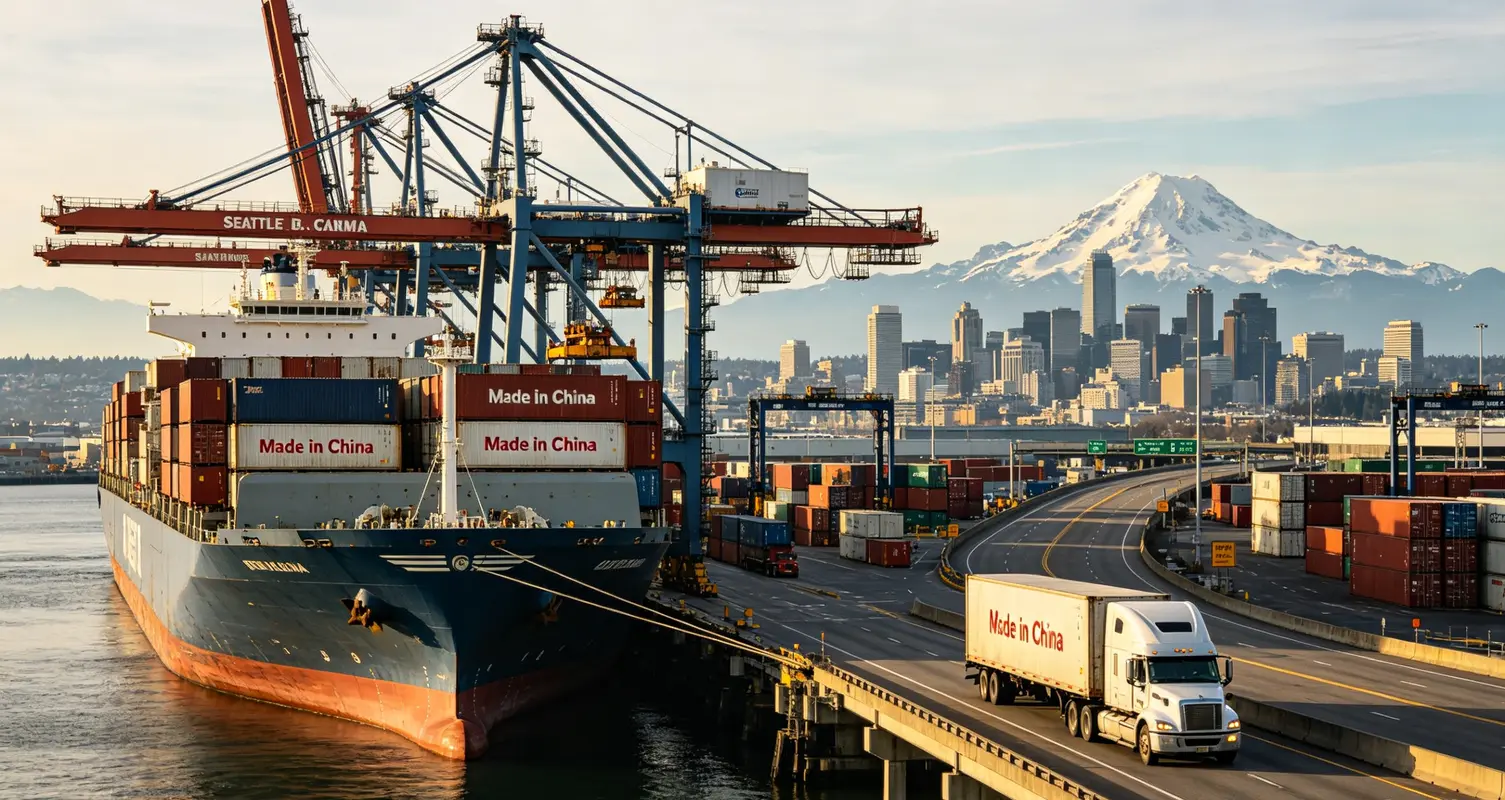
Customs clearance for shipments to Port San Luis is managed by U.S. Customs and Border Protection (CBP) at the port’s dedicated facilities, with a focus on marine safety, agricultural biosecurity, and fishing equipment compliance. Non-compliance can cause costly delays—especially for time-sensitive fishing gear—so adherence to requirements is key.
Required Documentation
Commercial Invoice: Details cargo value, quantity, and HS codes. Critical codes for Port San Luis: - Marine equipment (engines, nets): HS 8907 - Agricultural machinery (irrigation): HS 8433 - Fishing tackle: HS 9507 - Medical supplies: HS 9018 Include marine safety certifications (e.g., USCG approval) or agricultural biosecurity records to avoid holds.
Tariffs & Duties
Bill of Lading (BOL)/Air Waybill (AWB): Proof of ownership, required for inland transport.
Packing List: Matches invoice and physical cargo—CBP verifies for corrosion damage or misdeclaration.
Industry Permits: USCG certifications for marine equipment, USDA permits for agricultural tools, and FDA approvals for medical supplies.
Certificate of Origin (CO): Verifies manufacturing location for USMCA tariff exemptions if goods are re-exported to Mexico.
Tariffs on goods from China to Port San Luis are determined by HS codes. Key examples for local industries: - Marine engines (HS 8907): 5% tariff - Agricultural irrigation systems (HS 8433): 4.8% tariff - Fishing tackle (HS 9507): 6% tariff - Medical equipment (HS 9018): 4.5% tariff Duties are calculated as a percentage of the goods’ FOB value. California’s 7.25% sales tax applies to goods sold locally, but commercial fishing equipment may qualify for state tax exemptions. WanHaoFreight forwarder assists with duty drawback programs—fishing companies re-exporting gear to Mexico may qualify for a refund of paid duties.
Compliance Checks
CBP prioritizes inspections on high-risk cargo relevant to Port San Luis: - Marine equipment: Verifies USCG safety compliance and anti-corrosion standards. - Agricultural tools: Checks for pest contamination (USDA biosecurity requirements). - Fishing nets: Ensures compliance with U.S. fisheries regulations (e.g., mesh size). To minimize delays, label marine gear with USCG certification numbers and include SDS (Safety Data Sheets) for corrosion-resistant coatings. WanHaoFreight forwarder partners with third-party testing labs in China to verify compliance pre-shipment, reducing inspection risk by 50% and accelerating clearance for time-sensitive fishing cargo.
Why Choose WanHaoFreight forwarder for Shipping from China to Port San Luis
Port San Luis’s specialized focus on fishing, agriculture, and marine industries—paired with Central Coast logistics challenges—demands a freight forwarder with regional expertise. WanHaoFreight forwarder stands out as the top choice for three key reasons:
Industry-Specific Expertise: Over 10 years of experience shipping marine, fishing, and agricultural cargo to Port San Luis. Their team understands USCG/USDA regulations, port handling protocols for corrosion-sensitive gear, and local supply chain timelines (e.g., fishing season deadlines).
End-to-End Support: From Chinese warehouse storage and corrosion-resistant packaging to Port San Luis delivery, they handle every step. Services include cargo insurance (covering ocean transit and feeder transport), customs clearance with permit coordination, and real-time tracking via phone or online portal.
Transparent Pricing & Easy Get A Quote: The user-friendly “Get A Quote” tool lets you input cargo details (size, weight, type, urgency) and receive a personalized, all-inclusive quote within 24 hours. The quote breaks down ocean/air costs, feeder fees, customs charges, and last-mile delivery—no hidden surprises.
Shipping from China to Port San Luis requires aligning with the port’s marine and agricultural focus while navigating West Coast transshipment and Central Coast logistics. By leveraging Ocean FCL for bulk marine equipment, Ocean LCL for small-batch fishing gear, and Airfreight for urgent parts, businesses can optimize costs and meet critical deadlines. Partnering with WanHaoFreight forwarder—your trusted freight forwarder for Port San Luis—ensures compliance with USCG/USDA rules, transparent pricing, and on-time delivery. Ready to streamline your shipping? Get A Quote today for a personalized China-to-Port San Luis logistics solution tailored to your industry needs.